Signals you notice before overload
Lightweight scanning of focus, posture, and attention gives you honest cues. When signals appear, you adjust the plan instead of forcing the old list to stay rigid.
Plan with intention
Organize your day with clear priorities and paced task lists. Quelthoriaex frames scheduling as a straightforward practice rather than a race, so lists stay readable from morning setup through quiet wrap-up across the United States.
Foundations
Daily planning from quelthoriaex.world begins with naming what matters without crowding the schedule. You keep a readable map of hours, anchor one or two outcomes, and leave margins for switching context when priorities shift during the day.
Lightweight scanning of focus, posture, and attention gives you honest cues. When signals appear, you adjust the plan instead of forcing the old list to stay rigid.
Space between tasks is not wasted time. It carries transitions, quick notes, and room for realistic estimates that match how work actually unfolds.
Rhythm
A mindful day flows in chapters. You sketch the opening arc, cluster similar work, and mark pauses before the day accelerates. The goal is steadiness over intensity, letting you repeat the rhythm tomorrow with less friction.
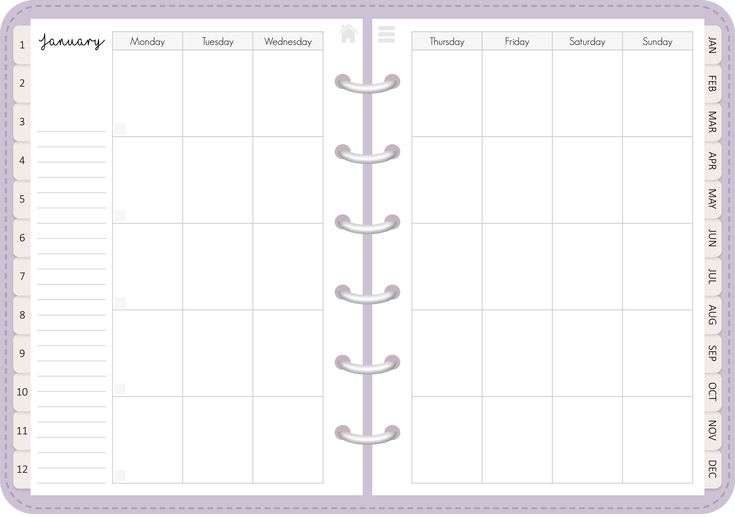
Glance at meetings, movable work, and personal anchors to set a truthful picture of the hours.
Choose outcomes you can explain in one sentence so the list stays legible on busy days.
Note what shifted, carry forward only what still fits, and file ideas for later without guilt.
Attention
Attention is finite. Planning from Quelthoriaex encourages blocks that match task weight, plus short recovery between them. You set a visible clock, mute low-priority channels during the block, and allow a humane stop when the outcome is solid.
Pick windows you can protect. If interruptions are common, keep blocks shorter and stack two with a buffer instead of one long stretch.
Decide in advance what “done enough” looks like so you avoid endless polishing when the next block needs you.
A two-minute pause or a quick stretch between blocks counts as planned transition time, not unused minutes.
Systems work when they fit the week you are in. Explore templates, prompts, and light automations that keep decisions small. You stay in charge of how much structure you adopt at once.
Open the toolkit pageVisit the tools page for detailed descriptions of how each resource supports everyday organization without pushing a single rigid method.
Pauses
Micro-pauses reduce decision fatigue. You can place them after dense tasks, before creative work, or when switching locations. They are timed, repeatable, and never framed as rewards you must earn.
Brief stretches or closing your eyes for a moment can precede the next task without implying any specific outcome.
Small wording keeps momentum honest and prevents vague items from lingering across afternoons.
Changing sound or location can signal the brain that a new block has begun without harsh alarms.
Workflow
Shared projects need shared language. Use these tiles to align on ownership, deadlines, and review cadence while keeping conversations calm and factual.
Each stream has a name beside it so decisions do not float. Updates land in one agreed channel to prevent scatter.
Fifteen-minute reviews keep information fresh without turning meetings into marathons that drain the afternoon.
Close loops visibly so everyone sees progress, reducing repeated questions about items already settled.
Reader notes
Personal scheduling habits vary by workplace and season. These brief notes describe everyday experiences only; they are not endorsements and do not illustrate typical outcomes for everyone.
“I stopped stacking similar meetings without gaps. The week still fills up, but handoffs feel less abrupt.”
Mireille Okonkwo, registrar office, Albany, United States
“Friday afternoons stay reserved for filing notes only. Nothing heroic—just fewer loose tabs on Monday.”
Thaddeus Varga, audio editor, Rochester, United States
“Shared doc owners get printed on our board. Sounds small, yet questions route faster.”
Soraya Mendez-Glenn, arts nonprofit, Indianapolis, United States
Quelthoriaex publishes general information about calendars, lists, and gentle pacing ideas for readers in the United States. This website does not sell dietary supplements, drugs, medical devices, or cosmetics, and pages here are not written to substitute advice from licensed professionals who know your situation.
Scheduling suggestions are illustrative. Outcomes depend on context; nothing on this site should be read as a binding claim about specific professional, financial, or personal outcomes.
For questions about nutrition, medications, supplements, or medical decisions, speak with qualified providers. For legal or financial matters, consult appropriate licensed advisors.
Optional analytics or marketing cookies stay off until you enable them in Cookie Settings. Review how data is handled in the Privacy Policy linked from the footer.
Read Privacy Policy